CPC Exam Changes for 2026: What to Study and What Students Should Know

When studying for the CPC, you might be surprised to learn that medical coding guidelines and code sets are updated every year. If you're studying for the Certified Professional Coder (CPC) exam, these updates can affect what appears on the test.
The good news is that the overall structure of the CPC exam has not changed for 2026. You will still see the same format, question types, and coding sections.
However, some coding rules and code families have been updated for 2026, and those updates can show up in exam questions.
In this guide, we’ll walk through:
- What changed for the CPC exam in 2026
- Which coding areas are most affected
- What students should focus on while studying
If you’re preparing for the CPC exam, this will help you focus your study time on the areas that matter most.
First: What Has NOT Changed About the CPC Exam
Before diving into the updates, it helps to know what is staying the same.
The CPC exam still includes:
- 100 multiple-choice questions
- 4 hours to complete the exam
- Open-book testing
- A passing score of around 70%
Students can still bring approved coding manuals:
- CPT® (prefer the 2026 books)
- ICD-10-CM (again, prefer 2026)
- HCPCS Level II (2025 is fine here)
The core exam sections are also the same, including:
- Evaluation and Management
- Surgery
- Radiology
- Pathology and Laboratory
- Medicine
- ICD-10-CM diagnosis coding
- HCPCS supplies and drugs
So if you’ve been studying the CPC exam structure, you’re already on the right track.
Do I Need the 2026 Codebooks for the CPC Exam?
Yes - as of March 1, 2026, the CPC exam is based on the current year's code sets, so students are strongly encouraged to use the most recent CPT, ICD-10-CM, and HCPCS books when studying.
The Biggest Coding Changes for 2026: Cardiovascular, E/M, and Radiology
While the exam structure stays the same, the code sets used in the exam change every year.
The 2026 update includes:
- 288 new CPT codes
- 46 revised CPT codes
- 84 deleted CPT codes
These changes took effect January 1, 2026.
Many of the updates focus on newer medical technologies, such as:
- digital health services
- remote patient monitoring
- AI-assisted imaging
- expanded genetic testing
You don’t need to memorize every new code, but you should understand where major changes occurred, because those areas are more likely to appear on the CPC exam.
Cardiovascular Surgery
One of the largest CPT updates for 2026 affects coronary revascularization procedures.
This section introduces a large group of new codes and structural changes that better reflect modern interventional cardiology procedures.
For CPC students, this means:
- reviewing cardiovascular surgery coding
- understanding how procedures are documented
- paying attention to guidelines for these codes
Surgery questions are already a major portion of the exam, so updates in this section can appear in case-based scenarios.
Evaluation and Management (E/M)
Evaluation and Management services continue to evolve as healthcare delivery changes.
For 2026, CPT introduces new remote physiologic monitoring codes, reflecting the growing use of remote patient monitoring technologies.
For exam preparation, students should review:
- E/M documentation rules
- medical decision-making guidelines
- remote monitoring service codes
These topics appear frequently in CPC exam questions.
Radiology and AI-Assisted Imaging
Radiology continues to change rapidly as imaging technologies advance.
The 2026 update includes:
- new CT and CT angiography codes
- codes describing AI-supported imaging analysis
- restructuring of some radiation therapy reporting
Students should expect radiology questions that require careful reading of documentation to determine the correct imaging procedure.
Pathology and Laboratory Testing
Another area seeing continued expansion is molecular pathology and genomic testing.
New codes were introduced for:
- genetic sequencing
- molecular diagnostic testing
- specialized laboratory procedures
These updates reflect the growing role of precision medicine in healthcare.
For exam purposes, students should focus on understanding how lab procedures are described in CPT, rather than memorizing specific test codes.

ICD-10 Updates for 2026
The CPC exam also tests ICD-10-CM diagnosis coding, and these codes are updated every year.
For 2026, ICD-10 changes include:
- new diagnosis codes
- revisions to existing codes
- additional specificity for certain conditions
Common areas affected by ICD updates often include:
- chronic conditions
- injuries
- complications of care
- new disease classifications
For exam preparation, the key is understanding ICD-10 coding rules, including:
- diagnosis sequencing
- laterality
- combination codes
- documentation requirements
These rules appear frequently in exam questions.
HCPCS Level II Updates
HCPCS codes are also part of the CPC exam.
For 2026, HCPCS updates include:
- 160 new HCPCS codes
- 101 deleted codes
Many of these changes involve:
- J-codes for medications
- durable medical equipment
- medical supplies
There aren't any specific J-codes or durable medical equipment (DME) codes to call out as major changes, but just keep an eye on your summaries and medical records for common codes - they may have changed.
What Are the Biggest CPT 2026 Gotchas?
Every year, a few coding changes tend to cause confusion for both students and experienced coders.
Understanding these ahead of time can make studying easier and help you avoid common mistakes on the CPC exam.
Here are some of the areas where students should pay extra attention in 2026.
Injury Coding Rules and Diagnosis Specificity
The 2026 update introduced hundreds of new diagnosis codes, including many additions within injury-related categories.
Many of these updates were designed to make injury coding more specific, especially when describing the exact location and type of injury.
For example, several new codes were introduced for injuries affecting the midsection of the body, including the abdominal wall, groin, and flank.
For example, new diagnosis codes include:
- S30.11 – Contusion of abdominal wall
- S30.12 – Contusion of groin
- S30.13 – Contusion of flank
Pay attention to questions involving these areas. The trend is for allowing coders to report injuries with more detail than before.
Radiology Questions Involving AI-Assisted Imaging
One newer development in the CPT code set is the introduction of AI-assisted imaging services.
While the exam will not expect you to memorize every new code, you may see questions where documentation describes imaging that includes computer-assisted analysis.
For example, you may see something like:
The imaging study is performed, and the report notes that AI-assisted image analysis software was used to help detect vascular abnormalities.
In this scenario, the test wants you to identify the primary imaging procedure performed, which is the CT angiography of the chest.
Even though the documentation mentions AI-assisted analysis, the main service being reported is still the CTA procedure itself. So, you should focus on selecting the correct radiology CPT code for the imaging study described in the report.
Carefully reading the procedure description is usually the key. If they want the technical or AI-assisted procedure, they will ask for it. Otherwise, you can code the standard CPT code itself.
More Complex Case Study Questions
Another trend students notice is the increasing use of multi-code case-based scenarios.
As you might be familiar with, these questions often provide a medium-long clinical note and require selecting several codes, such as:
- a CPT procedure code
- an ICD-10 diagnosis code
- the correct modifier
These questions are designed to simulate real-world coding situations, and so give you better practice at being a Certified Professional Coder.
If you need practice for these, trying some case-based questions ahead of time and working through a full-length CPC practice exam can make these much easier to handle during the exam.

Currently Employed Medical Billers and Coders
If you're a working or currently employed coder, the following changes to the 2026 CPC may affect your workflows:
Deleted Codes Still Appearing in EHR Templates
When CPT updates occur, some codes are deleted and replaced by newer codes. However, electronic health record systems and billing templates are not always updated immediately.
This can lead to situations where outdated codes still appear in documentation templates or billing workflows.
For 2026, which has large changes in Radiology, Surgery/Cardiovascular, and Digital Health, make sure to check those sections for updates in your CPT templates, to save you time later.
Documentation Requirements for New Technologies
New procedures — especially those involving AI-assisted imaging or digital health services — sometimes come with new documentation requirements.
Providers may need to include specific information in the medical record to support the use of these newer codes.
Again, for 2026, it could pay to review your documentation practices, especially for Radiology and Digital Health.
Cardiovascular Re-vascularization Code Rebuild
One of the largest CPT structural updates for 2026 occurs in coronary re-vascularization procedures.
This section introduces a new set of codes that reorganize how these procedures are reported.
For coding teams, this means reviewing:
- the new code structure
- how procedures are described in documentation
- which older codes have been replaced
If you're a student preparing for the CPC, you do not need to memorize the entire code set. However, understanding that this section changed can help when reviewing cardiovascular surgery questions.

What CPC Students Should Focus on Studying
If you’re preparing for the CPC exam, you don’t need to memorize every new code introduced in 2026.
Instead, if you focus your study time on the most common exam topics, practice reading documentation carefully, use structured CPC study plans with extensive practice questions, and become comfortable navigating your codebooks, you will be well prepared for the CPC exam.
The overall exam format remains the same, and the core coding principles are still the foundation of the test.
Where to focus your studying
In short, focus your study time on the areas that appear most frequently on the exam.
High-priority topics include:
- surgical coding
- radiology procedures
- Evaluation and Management services
- modifier usage
- diagnosis coding rules
You don't need to worry about changes in:
- Medical terminology
- Anatomy
- Compliance & Regulatory
Practicing realistic exam questions and using dedicated CPC exam prep resources is one of the best ways to build confidence and improve speed with the codebooks.
CPC Exam Study Checklist for 2026
If you’re preparing for the CPC exam, here’s a quick checklist to help you focus your study time on the areas that matter most.
Before scheduling your exam, make sure you feel comfortable with the following:
✓ Navigating the CPT codebook quickly
Practice using the index and verifying codes in the main sections.
✓ Surgical coding fundamentals
Surgery makes up a large portion of the CPC exam, so spend extra time reviewing these procedures.
✓ Evaluation and Management (E/M) guidelines
Understand medical decision-making, documentation rules, and common E/M scenarios.
✓ ICD-10 diagnosis coding rules
Review sequencing, laterality, combination codes, and documentation requirements.
✓ Common modifiers
Be comfortable with modifiers such as 25, 51, and 59, which appear frequently on the exam.
✓ Case-based coding scenarios
Practice questions that require selecting multiple codes from documentation, just like the real exam.
Final Note: Is the CPC Exam Fill in the Blank?
Fill-in-the-Blank Questions are not coming to the CPC Exam (this year).
Some students have heard that the CPC exam may eventually include fill-in-the-blank coding questions instead of traditional multiple-choice questions.
At this time, however, the 2026 CPC exam still uses the standard multiple-choice format with 100 questions.
That said, fill-in-the-blank questions have appeared in some official practice exams and study materials, which suggests that AAPC may be exploring this format for future exams.
No official timeline has been announced for introducing these questions on the live CPC exam.
For now, students preparing for the CPC exam should focus on:
- learning how to navigate the codebooks quickly
- understanding coding guidelines
- practicing realistic exam scenarios
If the exam format does evolve in the future, strong coding fundamentals will still be the most important skill.
FAQ
Which Books Do I Need for the 2026 CPC Exam?
One common question students ask when preparing for the CPC exam is which coding books they need to bring.
The CPC exam is open-book, which means you are allowed to use coding manuals during the test. However, only certain codebooks are permitted.
For the CPC exam, students should bring the following three books.
CPT® Codebook (Required)
The CPT codebook contains the procedure codes used to report medical services and procedures.
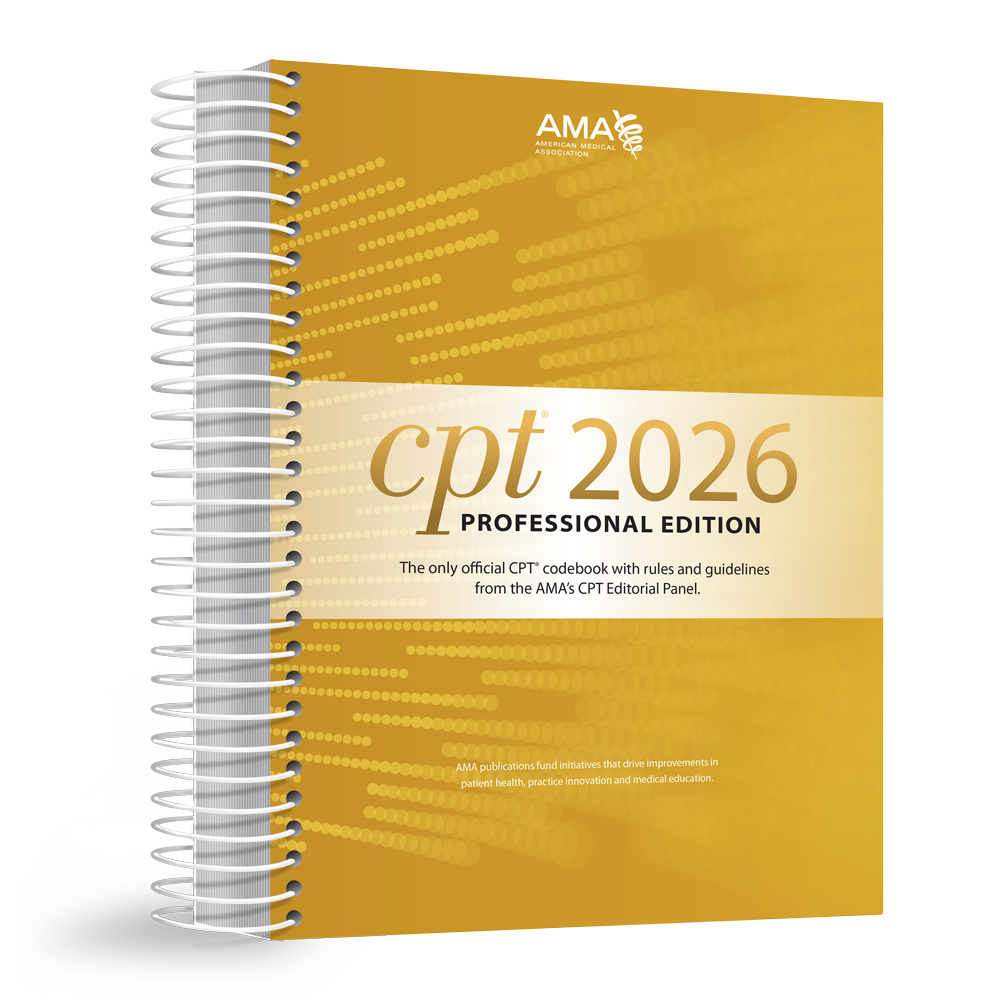
For the CPC exam, you must use the AMA CPT Professional Edition. Other publisher versions of the CPT book are not allowed on the exam.
This book is the most heavily used during the exam because a large portion of CPC questions involve procedure coding.
Students should spend time becoming comfortable navigating:
- the CPT index
- the surgery sections
- CPT guidelines and parenthetical notes
ICD-10-CM Diagnosis Codebook
The ICD-10-CM book contains diagnosis codes that describe why the patient received care.
Unlike the CPT book, students can use any publisher’s ICD-10-CM codebook during the CPC exam.
When studying, focus on understanding:
- diagnosis sequencing
- laterality
- combination codes
- injury coding rules
Many CPC questions require pairing a CPT procedure code with the correct diagnosis code.
HCPCS Level II Codebook
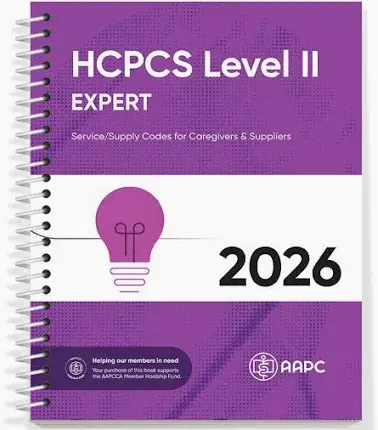
The third book used during the CPC exam is the HCPCS Level II codebook.
These codes cover items such as:
- medications (J-codes)
- medical supplies
- durable medical equipment
Students may use any publisher’s HCPCS Level II book during the exam.
HCPCS questions appear less frequently than CPT questions, but they are still an important part of the CPC exam, and understanding the requirements for taking the CPC exam can help you feel more prepared overall.
Did the CPC Exam Change in 2026?
While the overall format of the CPC exam did not change in 2026, many sections, including Radiology, Cardiovascular Surgery, and Digital Health, have updated CPT and ICD-10 codes for 2026. Students should be aware of these and use the latest versions of the CPT codebooks to make sure their codes are up-to-date.
How many CPT codes changed in 2026?
The CPT 2026 update includes 288 new CPT codes, 46 revised codes, and 84 deleted codes. These cover all 18 sections of the CPC exam, though many of the updates are concentrated in Radiology and various Surgical codes.
What are the Most Common Types of CPC Exam Questions?
If you're studying for the CPC exam, it helps to know what kinds of questions appear most often. While the exact codes may change each year, the types of questions tend to stay consistent.
Here are the five formats students see most frequently on the CPC exam:
Procedure coding questions
These ask you to identify the correct CPT code for a procedure described in the documentation.
Diagnosis coding questions
You may be asked to select the correct ICD-10-CM diagnosis code or determine the correct sequencing of diagnoses.
Case study scenarios
These longer questions provide clinical documentation and require selecting multiple codes, such as a CPT code, ICD-10 diagnosis, and modifier.
Modifier questions
Some questions focus specifically on when modifiers such as -25, -59, or -51 should be used.
Guideline interpretation questions
These test your understanding of coding rules rather than specific code numbers.
Practicing these question types with full-length CPC exam practice tests is one of the best ways to prepare for the CPC exam.
Wishing you the best of luck in your 2026 coding journey!
 Medical Coding Ace
 Medical Coding Ace